Most businesses communicate with their customers on a regular basis. But regular communication doesn’t always mean effective communication.
Many companies only reach out when there’s something to promote: a special offer, a new product launch or a seasonal campaign. Then follow weeks, or even months, of silence.
The problem? Customers don’t build relationships with brands that only show up when they want to sell. They build relationships with brands that stay relevant, helpful and consistent throughout the customer journey.
The good news is that improving your communication strategy doesn’t require a complete overhaul. In most cases, it’s about building new capabilities, one step at a time.
In this article, we’ll walk through five key stages that can help you assess where you are today and identify what comes next to create more relevant, effective customer communication.
1. Do you only reach out when you have something to promote?
For many businesses, customer communication only happens when there’s a campaign to be launched.
A seasonal promotion. A product announcement. An event invitation. A limited-time offer.
There’s nothing wrong with these activities. The problem arises when they become your only reason for communicating with customers.
Signs you might be here
- Long periods go by without any customer communication.
- Campaigns are always created at the last minute.
- There’s no communication plan or content calendar.
- Every campaign starts from scratch.
When this happens, communication becomes reactive. Your brand only appears when it’s trying to sell something.
How to move forward
The goal isn’t to communicate more, it’s to communicate more consistently.
Even a simple monthly communication plan can help keep your brand visible, familiar and top of mind.
2. Are you communicating consistently?
At this stage, communication is no longer driven exclusively by promotional campaigns.
Businesses begin sharing regular newsletters, educational content, customer success stories, industry insights and event invitations.
Communication becomes an ongoing part of the customer experience rather than a series of isolated campaigns.
What changes?
Consistency builds familiarity.
Even when customers aren’t actively looking for your products or services, they continue to see your brand as a trusted source of information and expertise.
Over time, that familiarity strengthens trust, and stronger relationships often lead to greater loyalty.
The next step
Many businesses reach this stage but continue sending the same message to everyone.
And that’s where relevance starts to suffer.
3. Are you sending the same message to everyone?
No two customers are exactly alike.
Someone making their first purchase has different needs from a long-term customer. A prospect has different questions from someone who already knows your business.
When everyone receives the same communication, engagement inevitably declines.
This is where segmentation and personalization begin to transform your results.
Segmentation means grouping customers based on shared characteristics or behaviours.
Personalization means tailoring your communication to the needs, interests or stage of each audience segment, or even each individual customer.
For example:
- Welcome journeys for new customers.
- Re-engagement campaigns for inactive customers.
- Content tailored to different interests.
- Offers based on location or purchase history.
The more relevant your communication becomes, the more likely customers are to engage with it.
As a result, businesses often see improvements in:
- Open rates
- Click-through rates
- Conversions
- Customer engagement
- Lower unsubscribe rates
The next step
As your communication becomes more personalized, managing everything manually quickly becomes unsustainable.
4. Are you still relying on manual campaigns?
When every message depends on someone remembering to send it, valuable opportunities are often missed.
Welcome emails that never go out.
Follow-ups that are forgotten.
Birthdays that pass unnoticed.
Customers who quietly disengage without any attempt to reconnect.
This is where marketing automation starts delivering real value.
Common automation examples
- Welcome journeys
- Post-purchase follow-ups
- Birthday messages
- Contract or subscription renewal reminders
- Re-engagement campaigns
- Appointment reminders
- Post-event nurturing sequences
Instead of relying on repetitive manual tasks, communication is automatically triggered by customer behaviour, key dates or specific events.
The result is a more consistent customer experience and significantly greater efficiency for your team.
The next step
Even with automation in place, one important question remains:
Are you using each communication channel where it delivers the greatest impact?
5. Do your communication channels work together?
An effective communication strategy isn’t about using as many channels as possible.
It’s about choosing the right channel for the right message at the right moment.
An email may be the best way to explain a detailed offer.
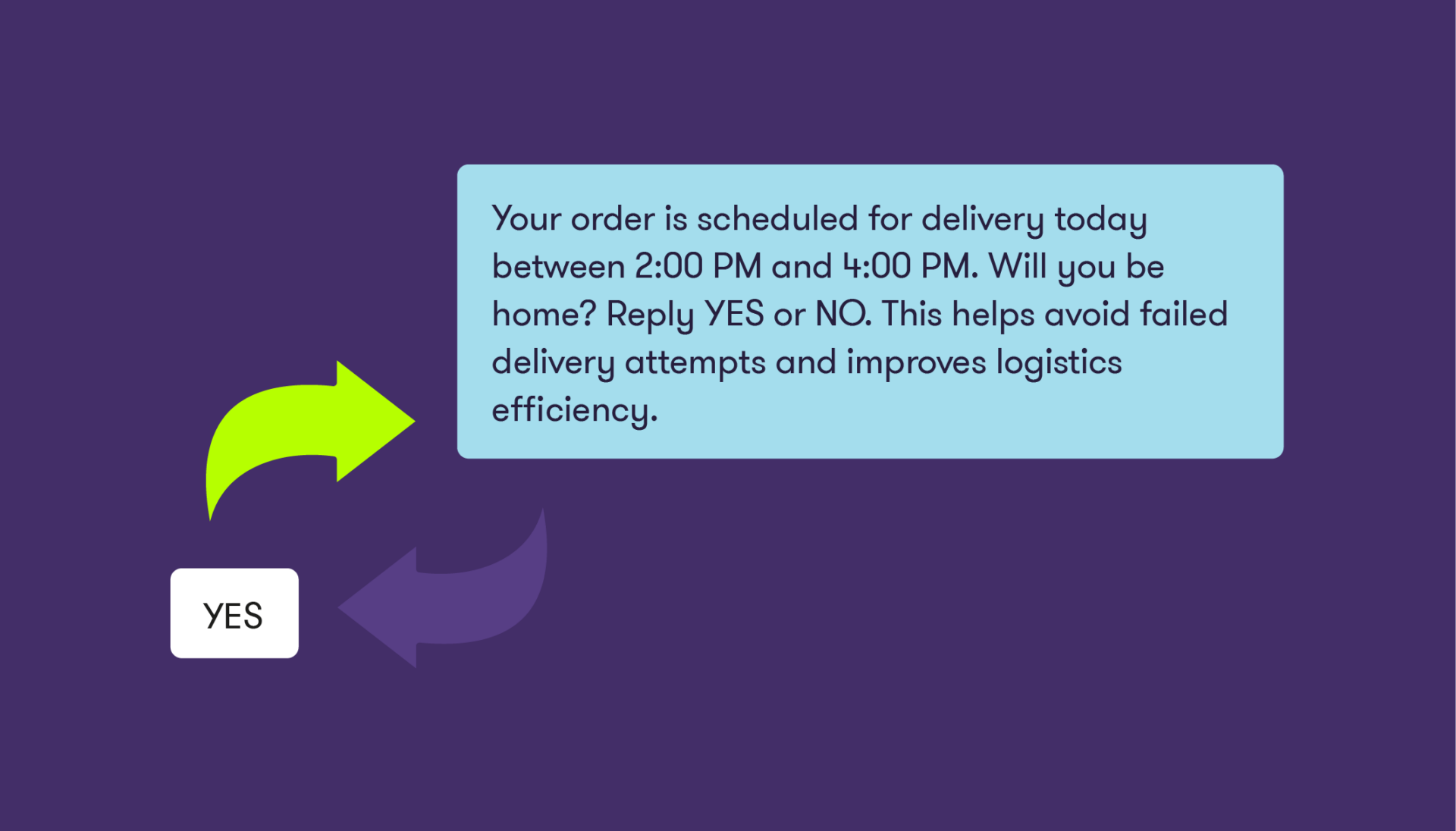
An SMS may be more effective for reminding someone about an appointment or reinforcing a time-sensitive promotion.
Automated journeys ensure the conversation continues without requiring manual intervention.
When these channels work together, each one complements the others instead of simply repeating the same message.
The result is a more seamless and consistent customer experience across every touchpoint.
And the numbers speak for themselves: Did you know that using two or more channels in a single campaign can result in 166% higher engagement rates?
A mature communication strategy typically includes:
- Ongoing customer communication
- Data-driven segmentation
- Relevant personalization
- Intelligent automation
- Coordinated multichannel campaigns
- Continuous performance analysis and optimisation
Ultimately, success isn’t about adding more channels. It’s about making every channel work together towards the same objective.
How mature is your communication strategy?
Ask yourself:
- Do we communicate regularly, or only when there’s a campaign?
- Does every customer receive the same message?
- Are we making good use of our customer data to personalize communication?
- Are critical communications still dependent on manual processes?
- Does each channel play a distinct role within our strategy?
The more confidently you can answer “yes” to the last few questions, the better positioned your business is to build stronger, longer-lasting customer relationships.
How Arpoone can help
Whatever stage your business is at today, Arpoone is designed to help you take the next step.
From a single, unified customer audience, you can build dynamic segments, personalize campaigns, automate customer journeys and combine Email and SMS into one integrated communication strategy, all from a single platform.
But Arpoone is more than just technology. Our goal is to help businesses communicate in ways that are more relevant, more efficient and more impactful.
Because effective customer communication isn’t about sending more messages.
It’s about delivering the right message, to the right person, at the right time, through the channel that’s most likely to make an impact.
And that’s exactly what Arpoone helps you do.
Book a demo or start using it for free today.
Frequently Asked Questions
Why is regular customer communication important?
Strong customer relationships are built over time. Consistent communication increases brand awareness, strengthens trust, improves customer retention and creates more opportunities for growth.
What’s the difference between segmentation and personalization?
Segmentation groups customers with similar characteristics or behaviours. Personalization tailors content to each audience segment, or even each individual, making every interaction more relevant and engaging.
How can I automate customer communication?
With platforms like Arpoone, you can automate communications based on customer behaviour, dates or key events, including welcome journeys, birthdays, follow-ups, appointment reminders and re-engagement campaigns.
What is a multichannel communication strategy?
A multichannel strategy coordinates different communication channels, such as Email and SMS, so each one supports a specific purpose within the customer journey. The result is a more consistent experience and stronger engagement.
What’s the best channel for communicating with customers?
There’s no single answer. The best channel depends on your objective. Email works well for richer, more detailed content, while SMS is ideal for time-sensitive communications thanks to its speed and exceptionally high open rates.